Why Is Strength Training Essential for Women After 50? A Complete Guide to Healthy Aging
Introduction
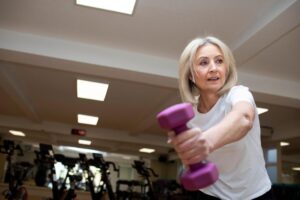
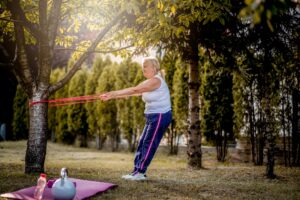
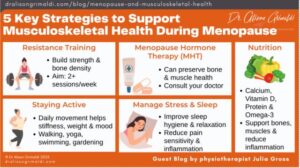
Turning 50 brings many changes to a woman’s body. Menopause, hormonal fluctuations, and the natural aging process can lead to loss of muscle mass, decreased bone density, weight gain, and reduced balance. While walking and yoga are excellent forms of exercise, they may not be enough to counter these changes.
Strength training—also called resistance training—is one of the most effective ways for women over 50 to maintain muscle, protect bones, improve metabolism, and remain independent and active. Contrary to common myths, lifting weights does not make women bulky. Instead, it helps create a stronger, healthier body and improves quality of life.
Whether you are 50, 60, or even 70 years old, it is never too late to start. Here is why strength training deserves a place in every woman’s wellness routine.
Why Do Women Lose Muscle and Bone Strength After 50?
Beginning around age 30, adults naturally lose muscle mass, a condition known as sarcopenia. This process accelerates after menopause due to declining estrogen levels.
Common changes after 50 include:
- Loss of muscle strength
- Reduced bone density
- Increased abdominal fat
- Slower metabolism
- Poor balance and coordination
- Higher risk of falls and fractures
Table: Age-Related Changes and Their Effects
| Change | Effect on Health |
|---|---|
| Loss of estrogen | Bone loss and reduced muscle mass |
| Reduced metabolism | Weight gain |
| Sarcopenia | Weakness and decreased mobility |
| Lower balance | Increased risk of falls |
| Decreased activity | Loss of independence |
Fortunately, strength training can slow or even reverse many of these changes.
What Are the Benefits of Strength Training for Women Over 50?
Strength training provides benefits far beyond toned muscles.
1. Preserves Muscle Mass
Regular resistance exercises help maintain and build lean muscle, improving daily function and mobility.
2. Strengthens Bones
Weight-bearing exercise stimulates bone formation and helps prevent osteoporosis and fractures.
3. Improves Metabolism
Muscle burns more calories than fat. Increasing muscle mass helps maintain a healthy weight.
4. Reduces Risk of Falls
Stronger muscles improve balance and coordination, lowering the risk of injuries.
5. Supports Heart Health
Strength training may help:
- Lower blood pressure
- Improve cholesterol levels
- Enhance blood sugar control
6. Improves Mental Health
Exercise releases endorphins, reducing stress and improving mood and sleep quality.
7. Enhances Independence
Simple daily activities such as climbing stairs, carrying groceries, and getting up from a chair become easier.
Which Strength Exercises Are Best for Women After 50?
The ideal program focuses on all major muscle groups.
Lower Body
- Squats
- Chair squats
- Lunges
- Step-ups
Upper Body
- Wall push-ups
- Dumbbell shoulder press
- Bicep curls
- Triceps extensions
Core Strength
- Planks
- Bird-dog exercise
- Pelvic tilts
Balance Exercises
- Single-leg standing
- Heel-to-toe walking
- Tai Chi movements
Resistance Equipment Options
| Type | Suitable For |
|---|---|
| Body weight | Beginners |
| Resistance bands | Joint-friendly training |
| Dumbbells | Building strength |
| Machines | Guided movement |
| Water exercises | Arthritis and knee pain |
Recommended Frequency
- 2–3 sessions per week
- 20–45 minutes each session
- At least one rest day between sessions
Is Strength Training Safe After Menopause?
Yes. Strength training is safe for most women when performed correctly.
Start Slowly
Begin with:
- Light weights
- Resistance bands
- Bodyweight exercises
Follow Proper Technique
Correct posture reduces the risk of injury.
Warm Up and Cool Down
Spend 5–10 minutes before and after exercise stretching and walking.
Consult Your Doctor If You Have:
- Severe osteoporosis
- Arthritis
- Heart disease
- Recent surgery
- Uncontrolled diabetes
- Chronic back pain
Women with osteoporosis should avoid sudden twisting movements and very heavy lifting without professional guidance.
How Much Protein and Nutrition Do Women Over 50 Need?
Exercise and nutrition work together.
Protein Requirements
Most women over 50 need approximately 1.0–1.2 grams of protein per kilogram of body weight daily, especially if they are physically active.
Protein Sources
- Eggs
- Milk and yogurt
- Paneer
- Lentils and beans
- Fish
- Chicken
- Soy products
- Nuts and seeds
Important Nutrients
| Nutrient | Role |
|---|---|
| Protein | Muscle repair |
| Calcium | Bone health |
| Vitamin D | Calcium absorption |
| Magnesium | Muscle function |
| Omega-3 fats | Reduce inflammation |
Adequate hydration and a balanced diet are equally important.
How Can Beginners Start Strength Training?
Starting does not require a gym membership.
Week 1–2
- Chair squats – 10 repetitions
- Wall push-ups – 10 repetitions
- Bicep curls with water bottles – 10 repetitions
- Marching in place – 2 minutes
Week 3–4
Perform 2 sets of:
- Squats
- Lunges
- Shoulder press
- Resistance-band rows
Weekly Goal
| Day | Activity |
|---|---|
| Monday | Strength training |
| Tuesday | Walking |
| Wednesday | Strength training |
| Thursday | Yoga or stretching |
| Friday | Strength training |
| Saturday | Leisure activity |
| Sunday | Rest |
Consistency matters more than intensity.
Infographic: Strength Training After 50
Menopause
     ↓
Muscle Loss + Bone Loss + Weight Gain
     ↓
Strength Training (2–3 times/week)
     ↓
✓ Stronger Muscles
✓ Better Bone Density
✓ Improved Balance
✓ Weight Control
✓ Better Mood
✓ Healthy Aging
Frequently Asked Questions (FAQs)
1. Can women over 50 build muscle?
Yes. Research shows that women can build muscle and increase strength even in their 60s and 70s with regular resistance training.
2. Will lifting weights make me bulky?
No. Women naturally have lower testosterone levels, making excessive muscle bulk unlikely.
3. How many days per week should women over 50 do strength training?
Two to three sessions weekly are ideal for most women.
4. Is walking enough after 50?
Walking is excellent for cardiovascular health, but it does not adequately preserve muscle mass and bone density. Strength training complements walking.
5. Can women with osteoporosis perform strength exercises?
Yes, under proper guidance and with exercises tailored to their condition.
6. Is it too late to start at age 60 or 70?
Absolutely not. Strength training benefits people of all ages.
7. Do I need a gym membership?
No. Bodyweight exercises and resistance bands can provide excellent results at home.
8. How long before I see results?
Many women notice improved strength and energy within 6–8 weeks of consistent training.
Conclusion
Aging is inevitable, but losing strength and independence does not have to be. Strength training is one of the most powerful tools women over 50 can use to maintain healthy bones, preserve muscle, improve balance, and enjoy an active lifestyle.
The best time to start is now. Even two or three sessions per week can make a remarkable difference in your health and quality of life.
If you are entering menopause or are concerned about bone health, muscle loss, or healthy aging, consult your healthcare provider and begin a safe, personalized fitness plan. Strong muscles today can mean greater independence and vitality for years to come.
Reviewed for patient education by Dr. Namrata Kachhara, Consultant Obstetrician and Gynecologist, Indore.