Introduction
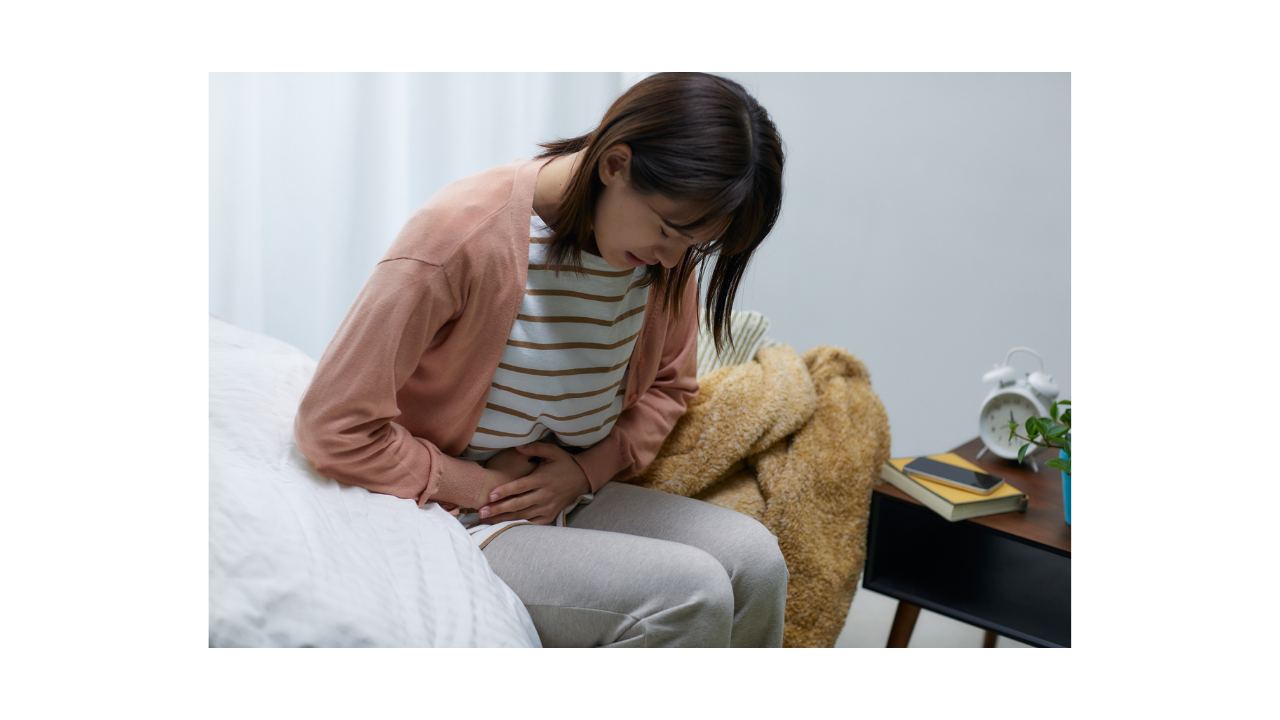
Painful periods, medically known as dysmenorrhea, are common among adolescent girls. Many teenagers experience cramping, lower abdominal pain, nausea, fatigue, or headaches during menstruation. While mild to moderate menstrual discomfort is often considered normal, severe pain that interferes with school, sports, social activities, or daily life should never be ignored can be Endometriosis in Teen Girls.
One important condition that can cause debilitating menstrual pain in adolescents is endometriosis. Traditionally considered a disease of adult women, endometriosis is now increasingly recognized in teenagers. Unfortunately, diagnosis is often delayed by several years because symptoms are dismissed as “normal period pain.”
Understanding when painful periods warrant further evaluation can help ensure timely diagnosis and treatment, improving both quality of life and future reproductive health.

What Is Dysmenorrhea and When Is It Considered Abnormal?
Dysmenorrhea refers to pain associated with menstruation.
There are two main types:
| Type | Description |
|---|---|
| Primary Dysmenorrhea | Menstrual pain without an underlying pelvic disease |
| Secondary Dysmenorrhea | Menstrual pain caused by an identifiable condition such as endometriosis |
Primary dysmenorrhea typically begins within a few years of the first menstrual period and responds well to pain medications and hormonal therapy.
However, certain symptoms should raise concern for an underlying condition.
Warning Signs That Period Pain May Not Be Normal
- Pain severe enough to miss school or activities
- Pain not relieved by NSAIDs (ibuprofen, mefenamic acid)
- Pain persisting despite oral contraceptive pills
- Progressive worsening of symptoms
- Pain beginning immediately after menarche
- Chronic pelvic pain between periods
- Pain during bowel movements or urination during menstruation
- Family history of endometriosis
These symptoms warrant further evaluation.
Endometriosis in Teen Girls– What Is Endometriosis and Why Does It Occur in Adolescents?
Endometriosis occurs when tissue similar to the lining of the uterus grows outside the uterus.
Common sites include:
- Ovaries
- Pelvic peritoneum
- Uterosacral ligaments
- Bladder
- Bowel
These implants respond to hormonal changes during the menstrual cycle, causing inflammation and pain.
Common Symptoms in Teenagers
- Severe menstrual cramps
- Pelvic pain
- Lower back pain
- Nausea and fatigue
- Painful bowel movements during periods
- Heavy menstrual bleeding
- Pain between periods
Unlike adults, adolescents often have subtle or atypical symptoms, making diagnosis more challenging.
When Should Teen Girls Be Investigated for Endometriosis?
Current expert recommendations suggest that adolescents should be evaluated when symptoms persist despite initial treatment.
Consider Investigation If:
1. Pain Does Not Improve With Standard Treatment
Most primary dysmenorrhea improves with:
- NSAIDs
- Heat therapy
- Physical activity
- Hormonal contraceptives
Persistent symptoms despite 3–6 months of treatment should prompt further assessment.
2. Symptoms Affect Daily Life
Red flags include:
- Missing school regularly
- Avoiding sports
- Sleep disturbance
- Frequent emergency visits for pain
Menstrual pain should not prevent a teenager from participating in normal activities.
3. There Is Chronic Pelvic Pain
Pain occurring:
- Before periods
- Between periods
- Throughout the month
may indicate endometriosis rather than primary dysmenorrhea.
4. Strong Family History Exists
Having a mother or sister with endometriosis significantly increases risk.
5. Associated Gastrointestinal or Urinary Symptoms Occur
Symptoms such as:
- Painful bowel movements
- Diarrhea during periods
- Painful urination during menstruation
can suggest endometriosis involvement.
How Is Endometriosis Diagnosed in Adolescents?
Diagnosis begins with a detailed history and physical examination.
Initial Evaluation May Include:
| Investigation | Purpose |
|---|---|
| Medical history | Assess symptoms and impact |
| Menstrual history | Pattern and severity |
| Pelvic ultrasound | Rule out ovarian cysts or structural abnormalities |
| MRI (selected cases) | Evaluate deep disease |
| Laboratory tests | Exclude other causes |
Can Ultrasound Confirm Endometriosis?
Not always.
Many adolescents have superficial disease that may not be visible on imaging.
A normal ultrasound does not exclude endometriosis.
Gold Standard Diagnosis
Historically, diagnostic laparoscopy has been considered the gold standard.
However, current practice increasingly favors clinical diagnosis and empirical treatment before considering surgery.
What Are the Treatment Options for Adolescent Endometriosis?
The goals of treatment are:
- Relieve pain
- Improve quality of life
- Preserve fertility
- Prevent disease progression
Medical Management
Non-Steroidal Anti-Inflammatory Drugs (NSAIDs)
Examples:
- Ibuprofen
- Naproxen
- Mefenamic acid
Most effective when started before the onset of pain.
Hormonal Therapy
Options include:
- Combined oral contraceptive pills
- Continuous oral contraceptive regimens
- Progestins
- Levonorgestrel intrauterine system (selected cases)
Lifestyle Measures
Helpful supportive measures include:
- Regular exercise
- Adequate sleep
- Stress management
- Anti-inflammatory diet
- Maintaining a healthy weight
Surgical Management
Surgery may be considered when:
- Symptoms persist despite treatment
- Ovarian endometriomas are present
- Diagnosis remains uncertain
Minimally invasive laparoscopy is preferred when necessary.
Endometriosis in Teen Girls-Why Is Early Recognition Important?
Delayed diagnosis remains one of the biggest challenges in endometriosis care.
Studies suggest many women experience symptoms for years before receiving a diagnosis.
Benefits of Early Detection
- Better pain control
- Improved school attendance
- Enhanced quality of life
- Reduced psychological distress
- Potential reduction in disease progression
- Preservation of future fertility
Parents, teachers, and healthcare professionals should recognize that severe menstrual pain is not something adolescents simply need to “learn to live with.”
Endometriosis in Teen Girls-Infographic: When Should Endometriosis Be Suspected?
Teen Girl With Painful Periods
↓
NSAIDs + Supportive Care
↓
Pain Improves
✓ Likely Primary Dysmenorrhea
↓
Pain Persists for 3–6 Months
OR
Misses School / Daily Activities
OR
Chronic Pelvic Pain
OR
Family History of Endometriosis
↓
Further Evaluation for Endometriosis
↓
Early Diagnosis + Appropriate Treatment
↓
Improved Quality of Life
Frequently Asked Questions (FAQs)
1. Are painful periods normal in teenagers?
Mild menstrual discomfort is common, but severe pain that disrupts daily activities is not normal and should be evaluated.
2. Can adolescents develop endometriosis?
Yes. Endometriosis can occur soon after menstruation begins and is increasingly recognized in teenagers.
3. What is the most common symptom of adolescent endometriosis?
Severe menstrual cramps that do not respond adequately to standard treatment.
4. Can ultrasound detect all cases of endometriosis?
No. Many adolescent lesions are not visible on ultrasound.
5. When should parents seek medical advice?
If pain causes missed school days, affects daily activities, or does not improve with pain medication.
6. Does endometriosis affect fertility?
It can affect fertility in some women, which is why early diagnosis and management are important.
7. Can endometriosis be treated without surgery?
Yes. Many adolescents respond well to medications and hormonal therapies.
8. Is endometriosis a lifelong condition?
It is a chronic condition, but symptoms can often be effectively controlled with appropriate treatment.
Conclusion -Endometriosis in Teen Girls
Painful periods are common during adolescence, but severe or persistent dysmenorrhea should never be dismissed as a normal part of growing up. When menstrual pain interferes with education, sports, sleep, or social activities—or fails to improve with standard treatment—endometriosis should be considered.
Early recognition and intervention can dramatically improve a teenager’s quality of life while helping protect future reproductive health. Parents and healthcare providers should work together to ensure that adolescent girls receive timely evaluation and appropriate care.
Call to Action -Endometriosis in Teen Girls
If your daughter experiences severe menstrual pain, frequent school absences, or symptoms that persist despite treatment, consult a gynecologist experienced in adolescent health. Early assessment can make a significant difference in her health, comfort, and future well-being.
Reviewed by Dr. Namrata Kachhara, Consultant Obstetrician & Gynecologist, Indore.